Technology guide
How to procure an integrated security management platform as an operating system
An integrated security management platform connects sensors, video, maps, identities, event rules, evidence and operator procedures. A useful platform does more than display independent alarms: it preserves source meaning, shows degraded awareness and supports a traceable incident from observation to closure.
Buyers comparing a multi-sensor fusion platform should evaluate connectors, event semantics, access control, network zones, storage, recovery and lifecycle ownership. A polished dashboard cannot compensate for shared accounts, drifting clocks or an integration that silently drops events after an update.
Last reviewed: July 2026
01Correlation of radar, RF, video, access and site events
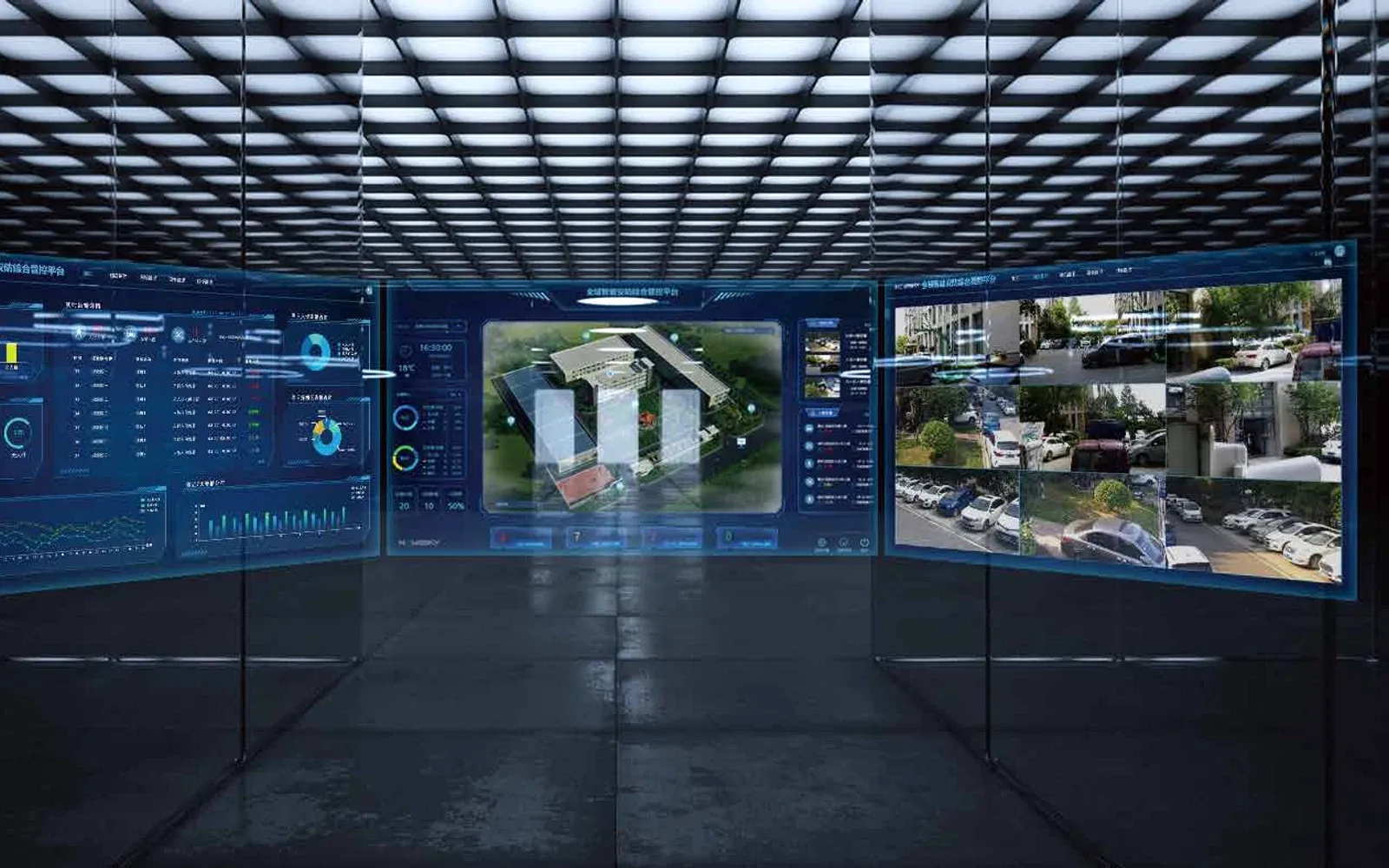
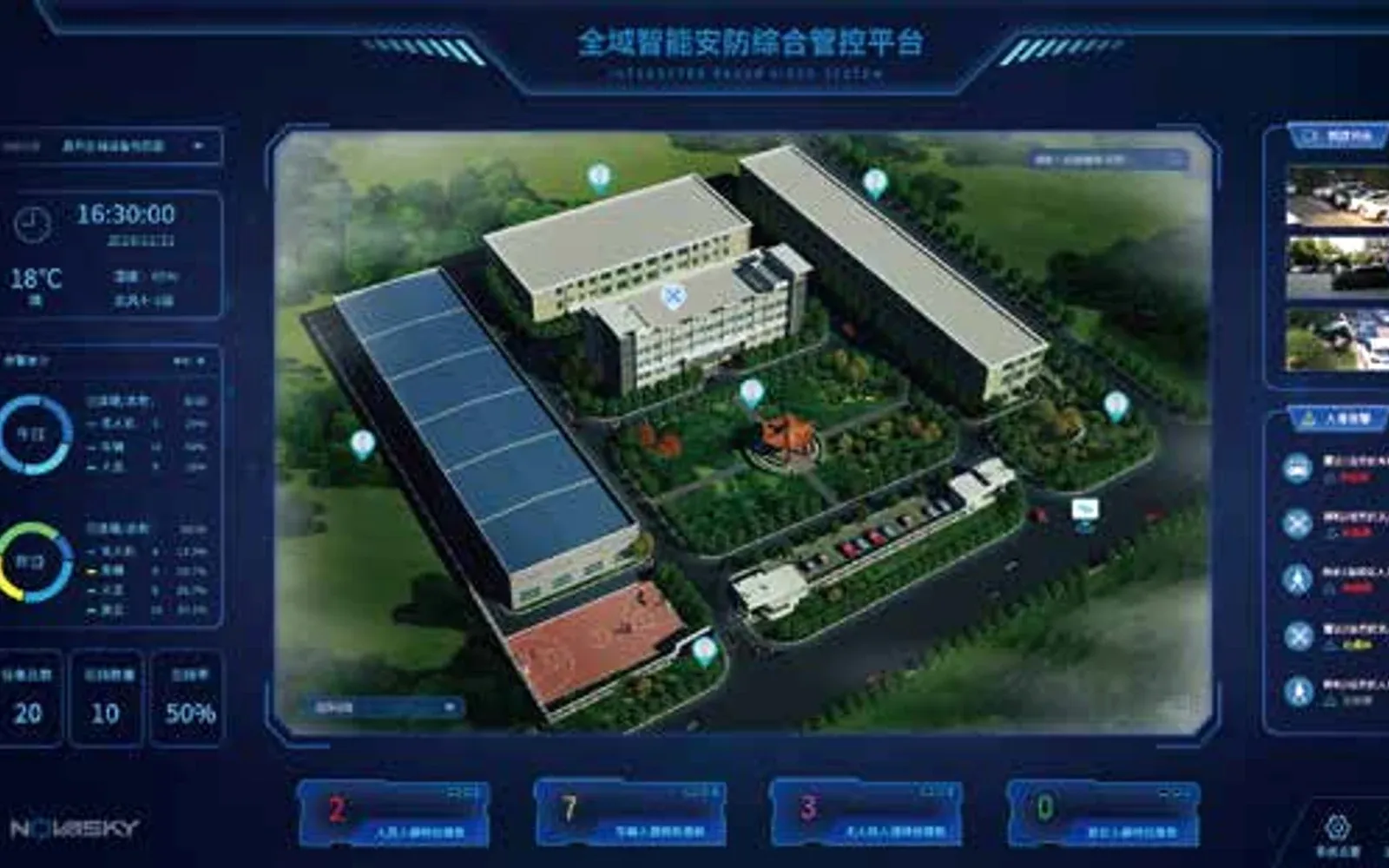
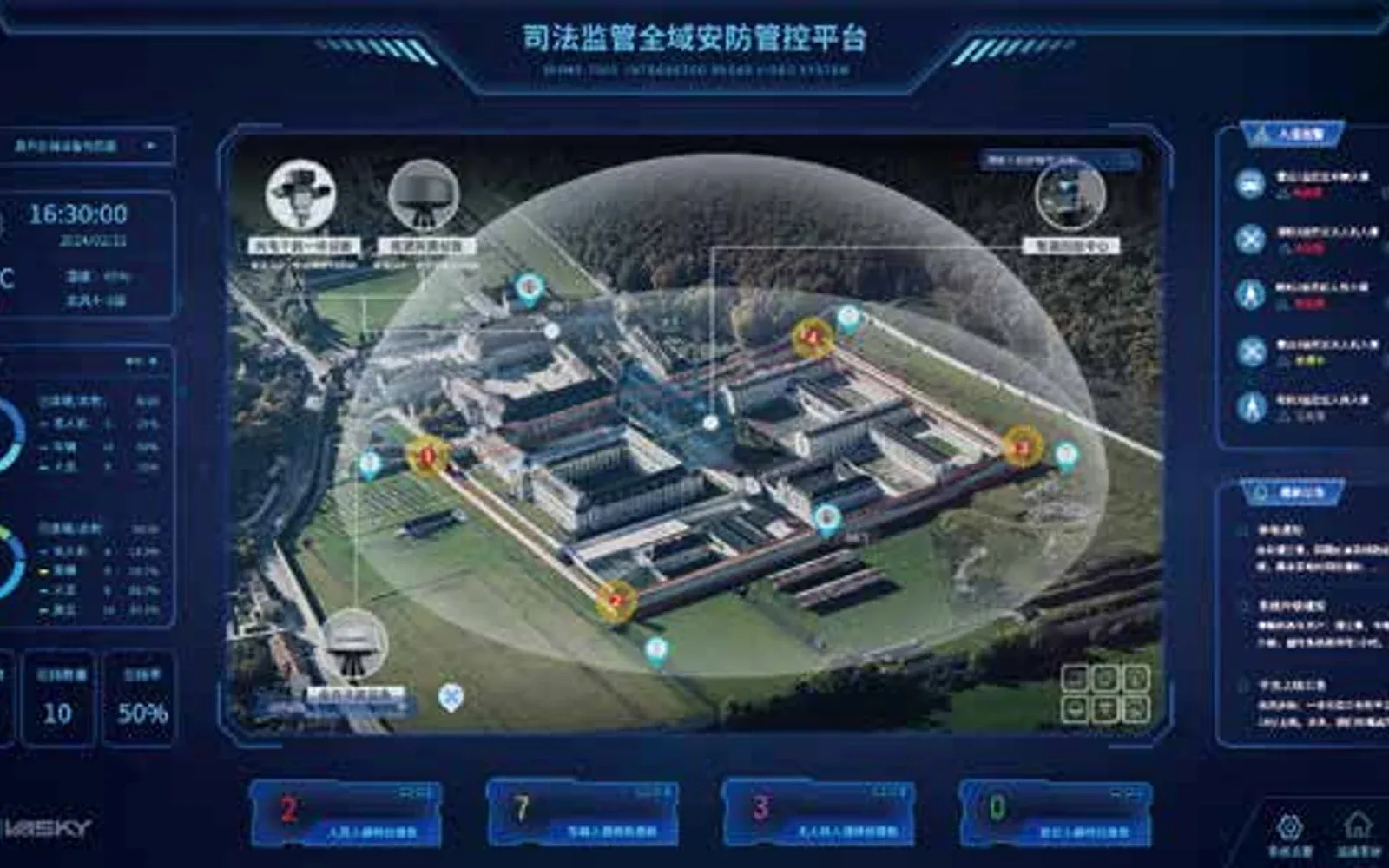
Multi-sensor command platform
The platform provides a common map and workflow while preserving the observations contributed by each source.
Selection note: Create an event dictionary with source, type, confidence, severity, time, location, owner and evidence.
02Alarm verification, clip retrieval and controlled incident records
Video and evidence operations
Video integration connects live or recorded imagery to an event, asset and authorized user.
Selection note: Define stream compatibility, evidence identifiers, retention, export, redaction and audit requirements.
03Acknowledgement, dispatch, escalation, closure and reporting
Site and asset workflow
Configured rules turn a sensor observation into an owned operational task with a visible status.
Selection note: Test real shifts, duplicate alarms, conflicting evidence, unavailable contacts and manual overrides.
04On-premises or controlled hybrid operation with defined recovery
Resilient deployment architecture
Servers, connectors, storage, maps and identity services are arranged around availability and security boundaries.
Selection note: Agree redundancy, backup, restore, time, offline behavior, patching and recovery objectives.