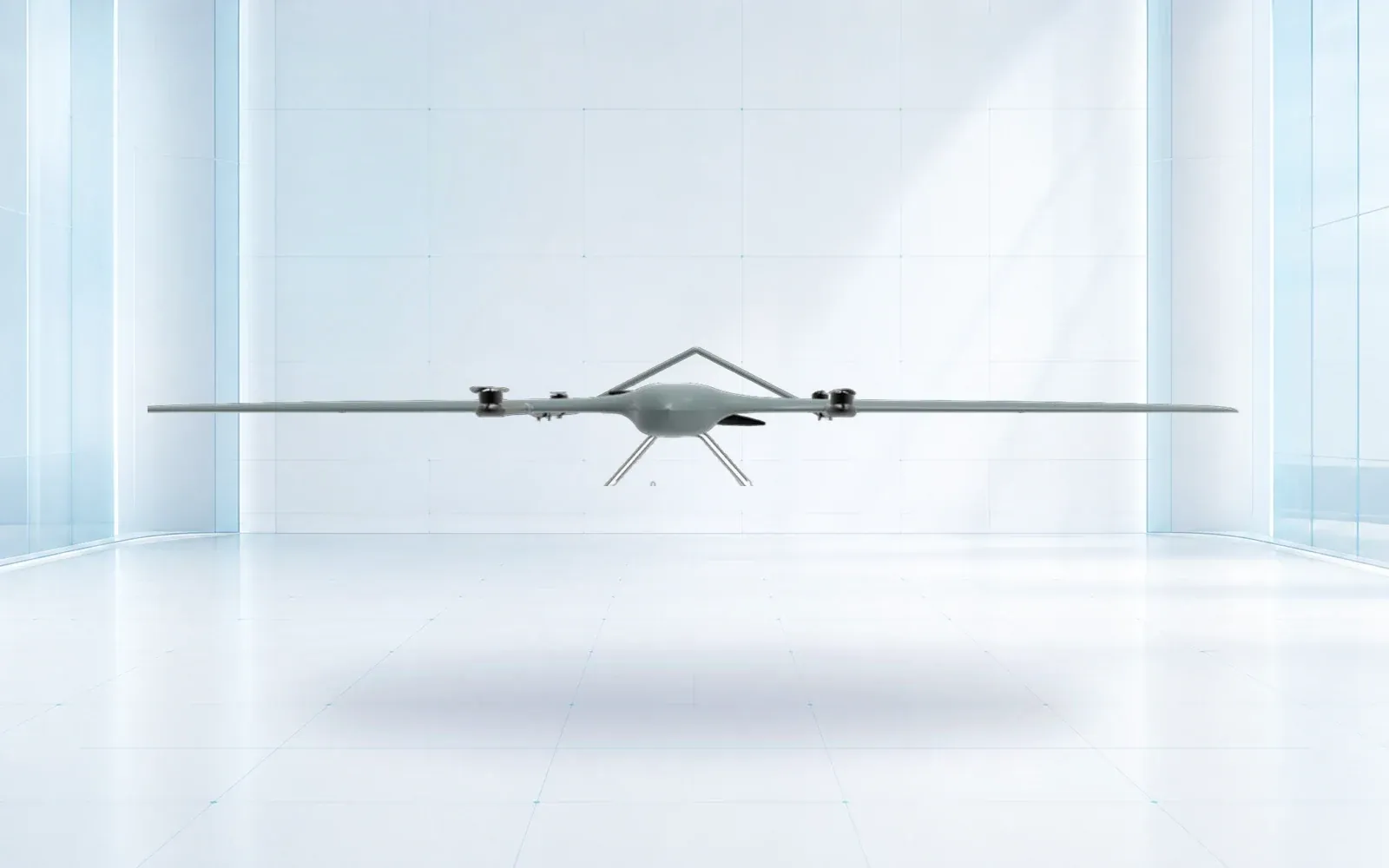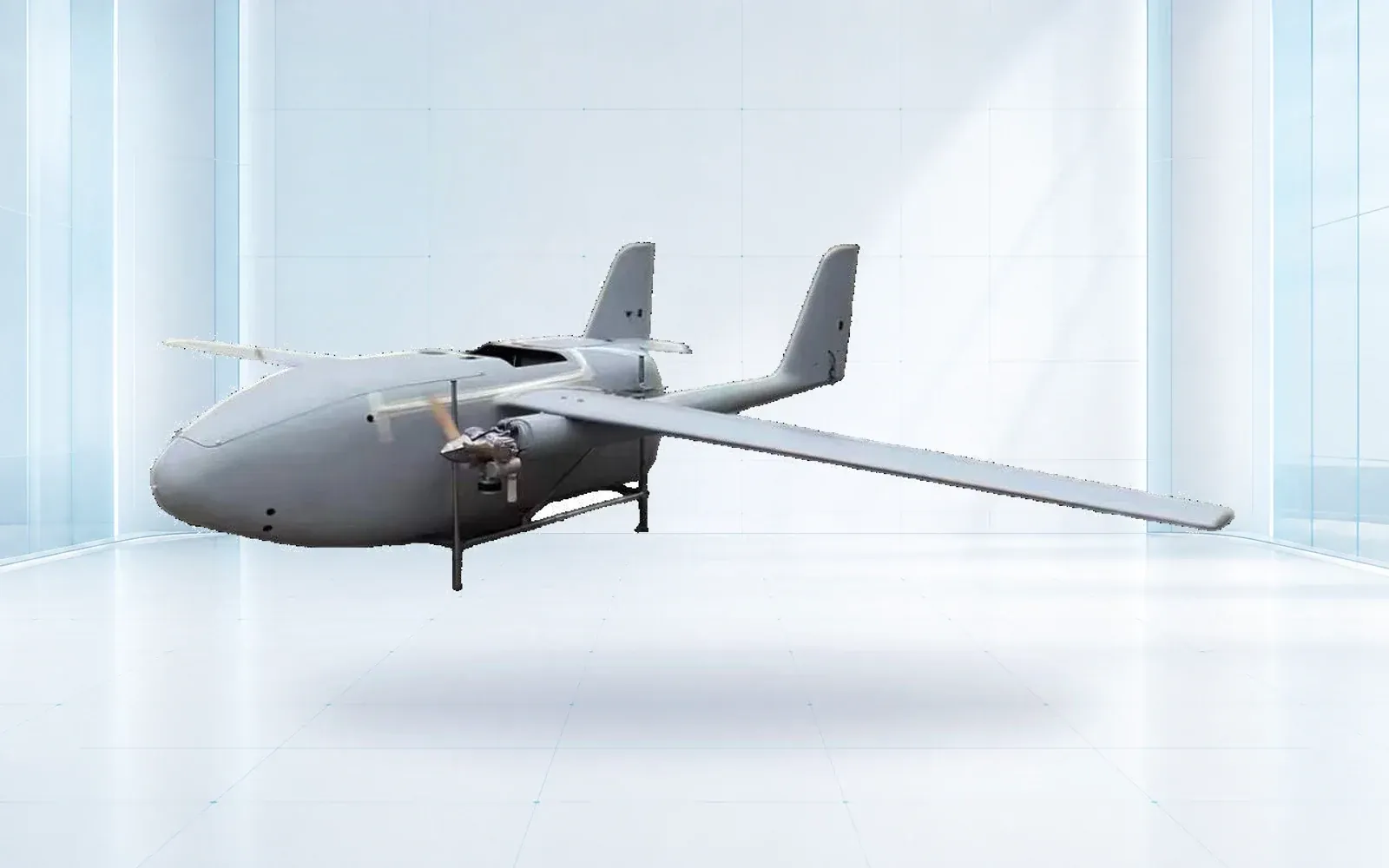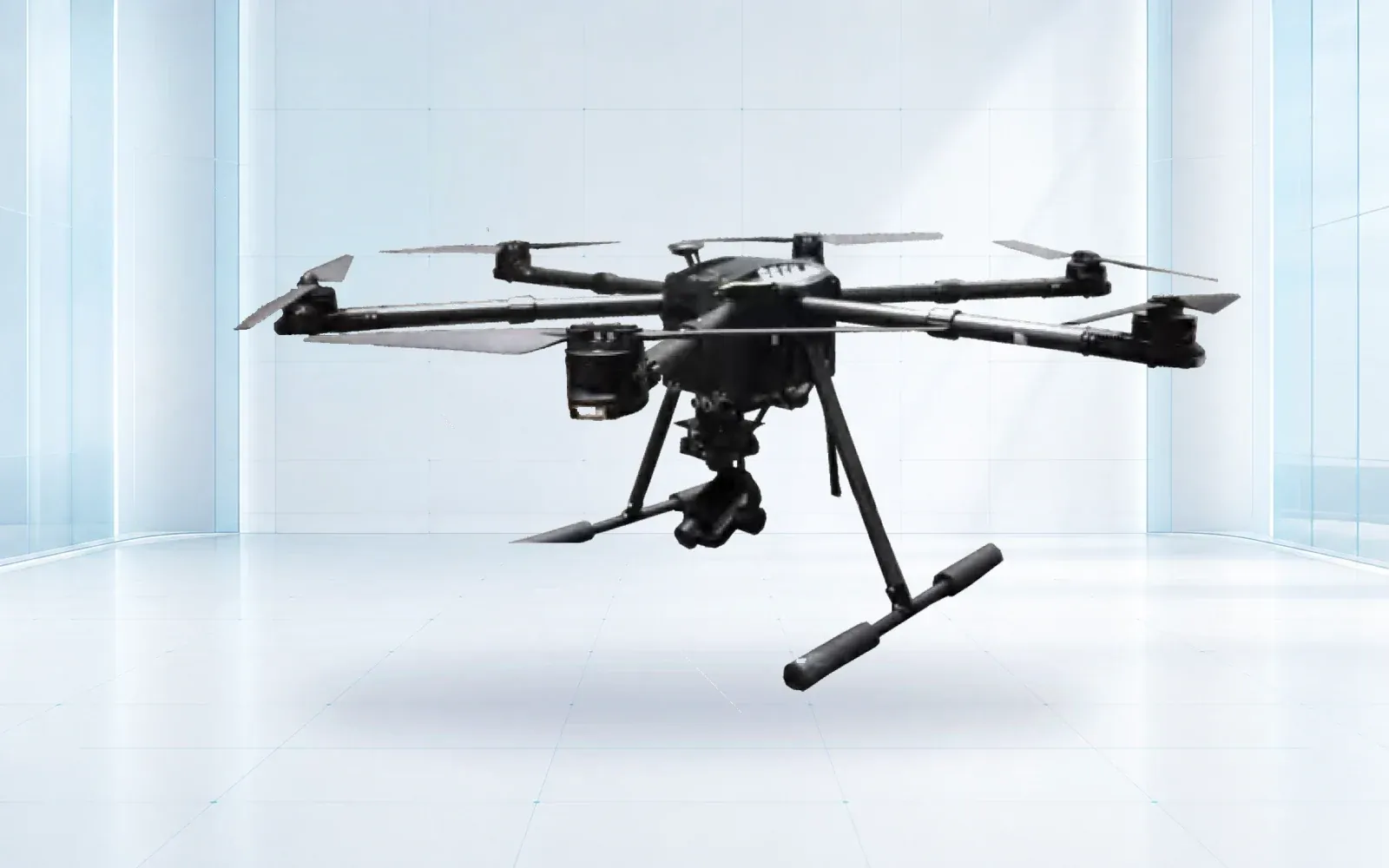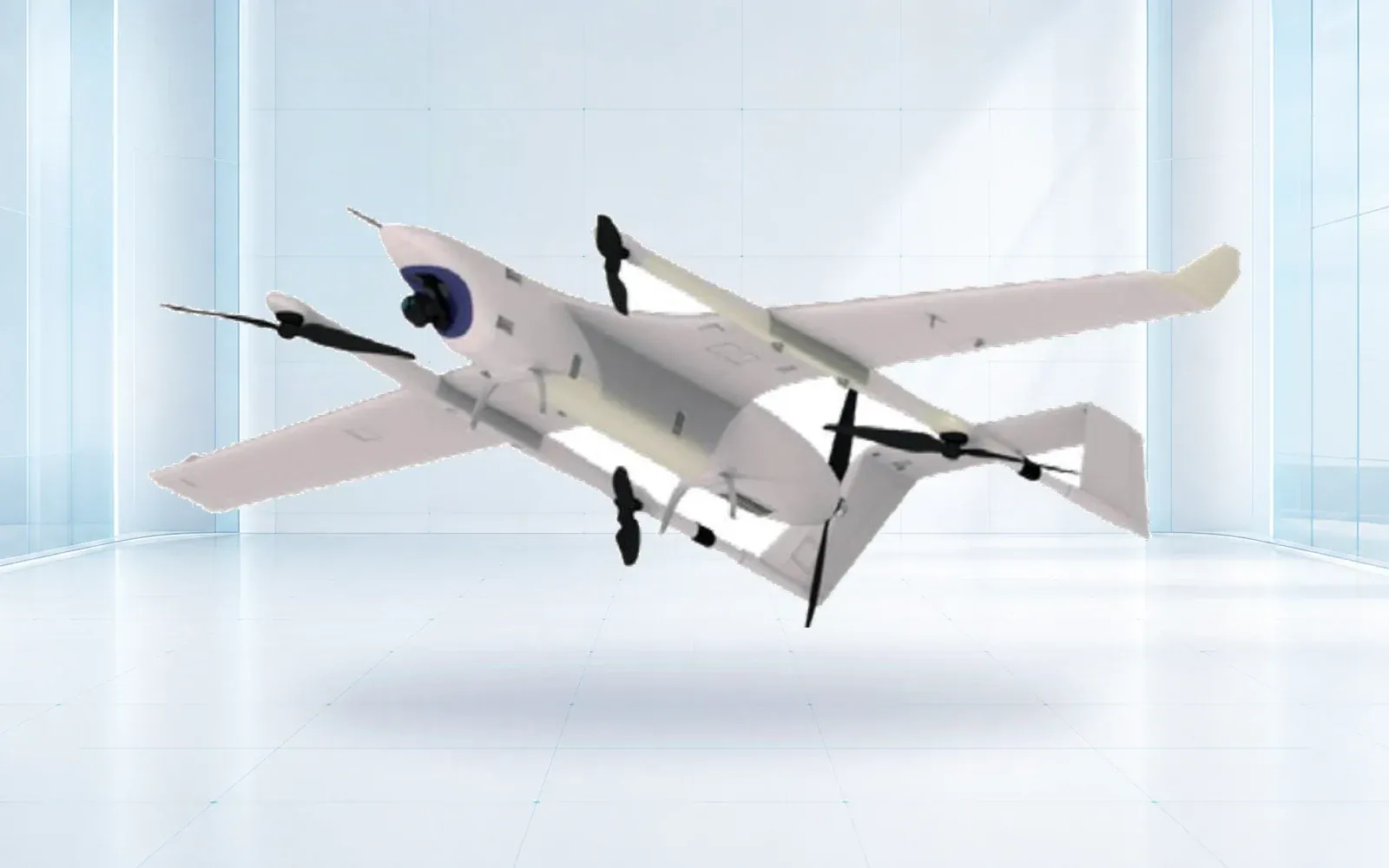
Air systems · 10 configurations

Industrial UAV & VTOL Aircraft

Compare OMNI UXV VTOL, multirotor and heavy-lift UAV reference configurations for inspection, mapping, logistics and public-safety missions.

Category brief

Start with the operating problem

Industrial unmanned aircraft are selected as complete mission systems, not as airframes alone. Endurance, payload mass, data quality, command link, terrain, weather and local operating rules all affect the final configuration.

VTOL fixed-wing aircraft provide runway-independent access with efficient cruise for corridor and wide-area work. Multirotors are better suited to hovering, close inspection and controlled lifting. Compare candidates by route duration, reserve energy and payload integration—not airframe size alone.

Product line

Industrial UAV products

Technology guide

How to select an industrial UAV as a complete mission system

An industrial UAV is a configurable aircraft, payload, command link, ground-control and data-delivery system built for a repeatable operational task. The important distinction from a consumer drone is not size or price: it is whether the delivered configuration can produce an accepted result under defined conditions and remain supportable through maintenance, software and crew changes.

Buyers comparing an industrial UAV systems supplier should therefore evaluate the mission geometry, installed payload, reserve policy, communications architecture, regulatory pathway and ground output together. A long-endurance industrial drone may be appropriate for a corridor, while a multirotor may complete a close inspection more reliably because it can hold position and use a shorter deployment cycle.

Last reviewed: July 2026

01Corridors, large survey blocks and remote-area observation

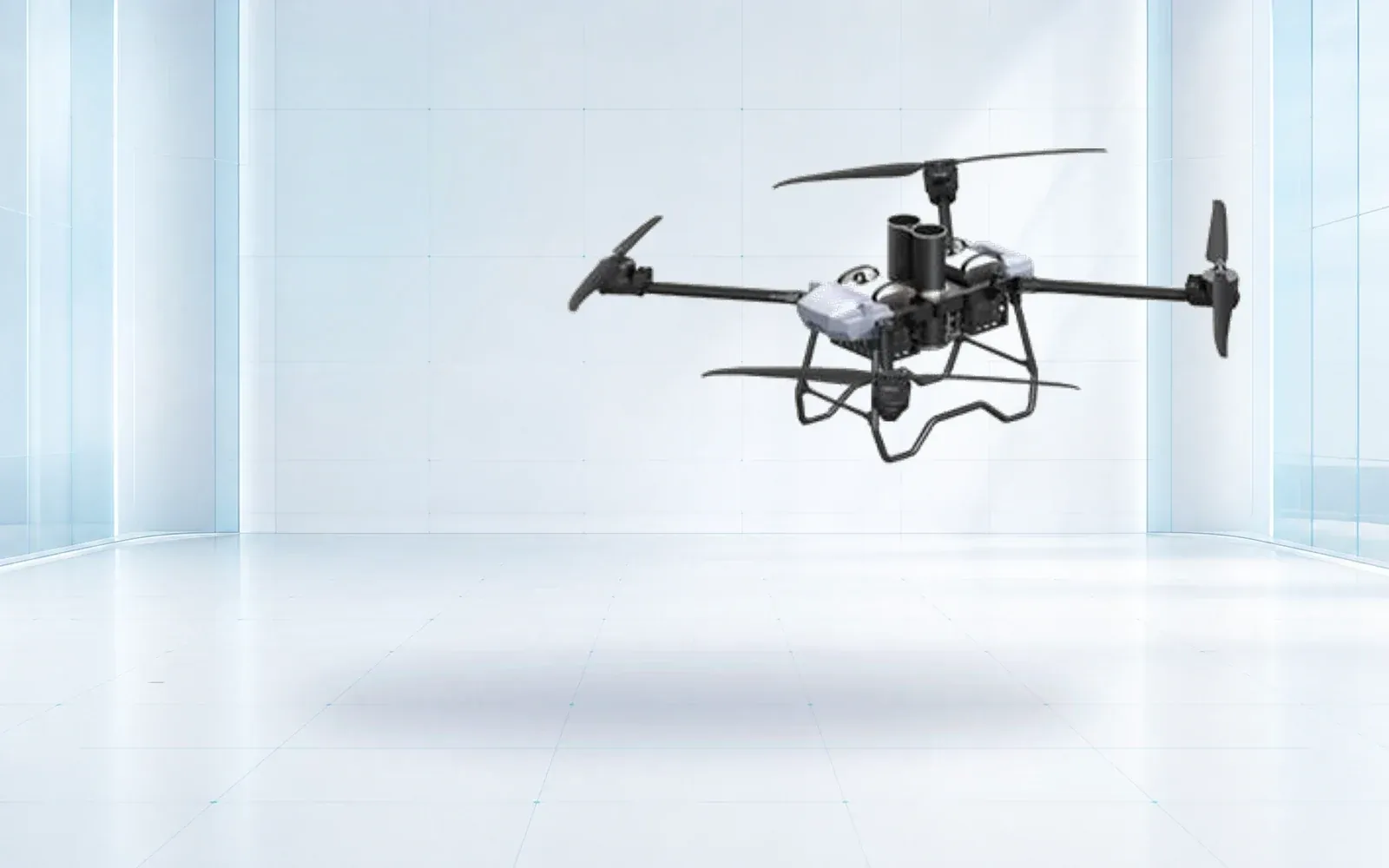
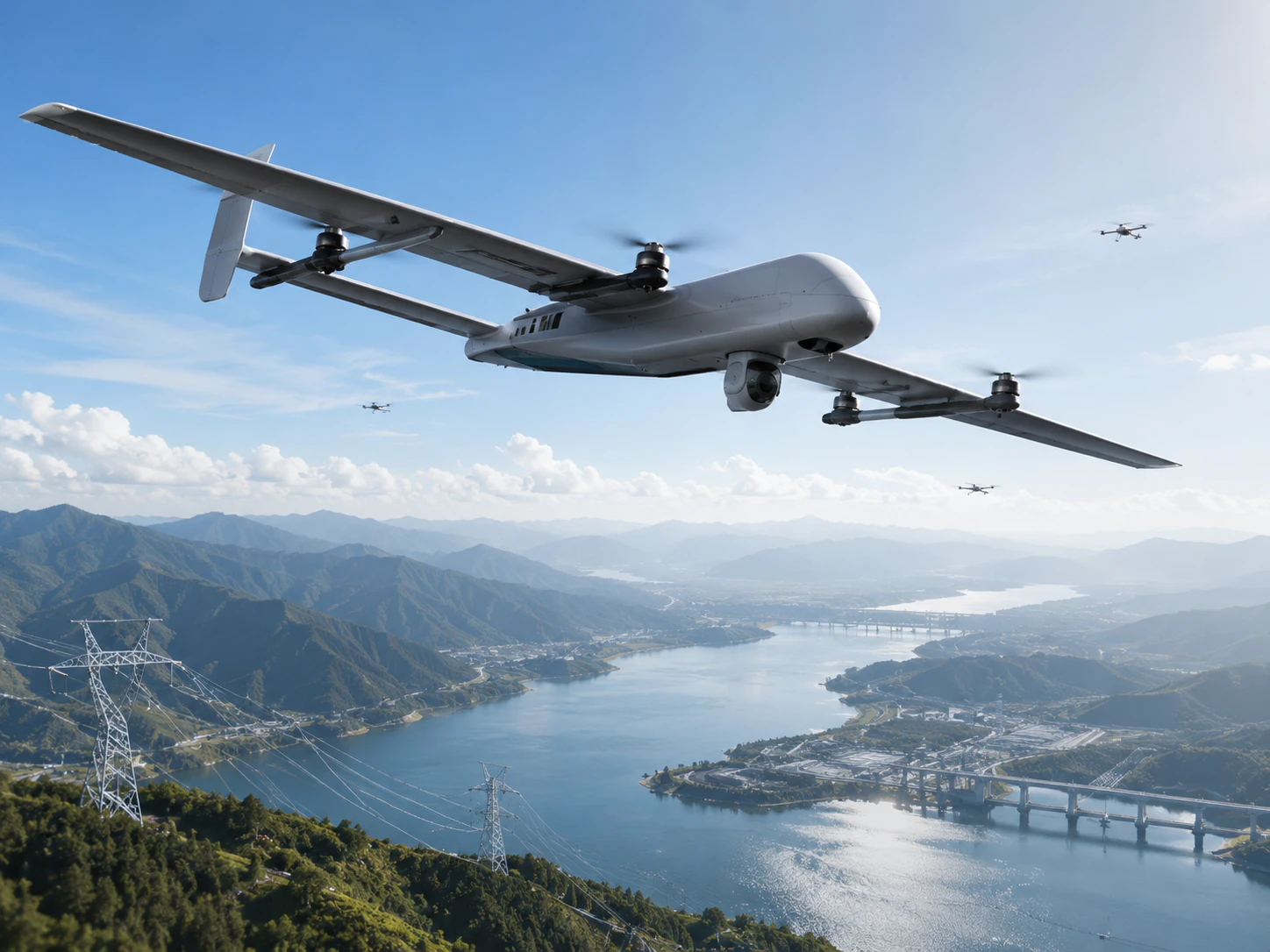
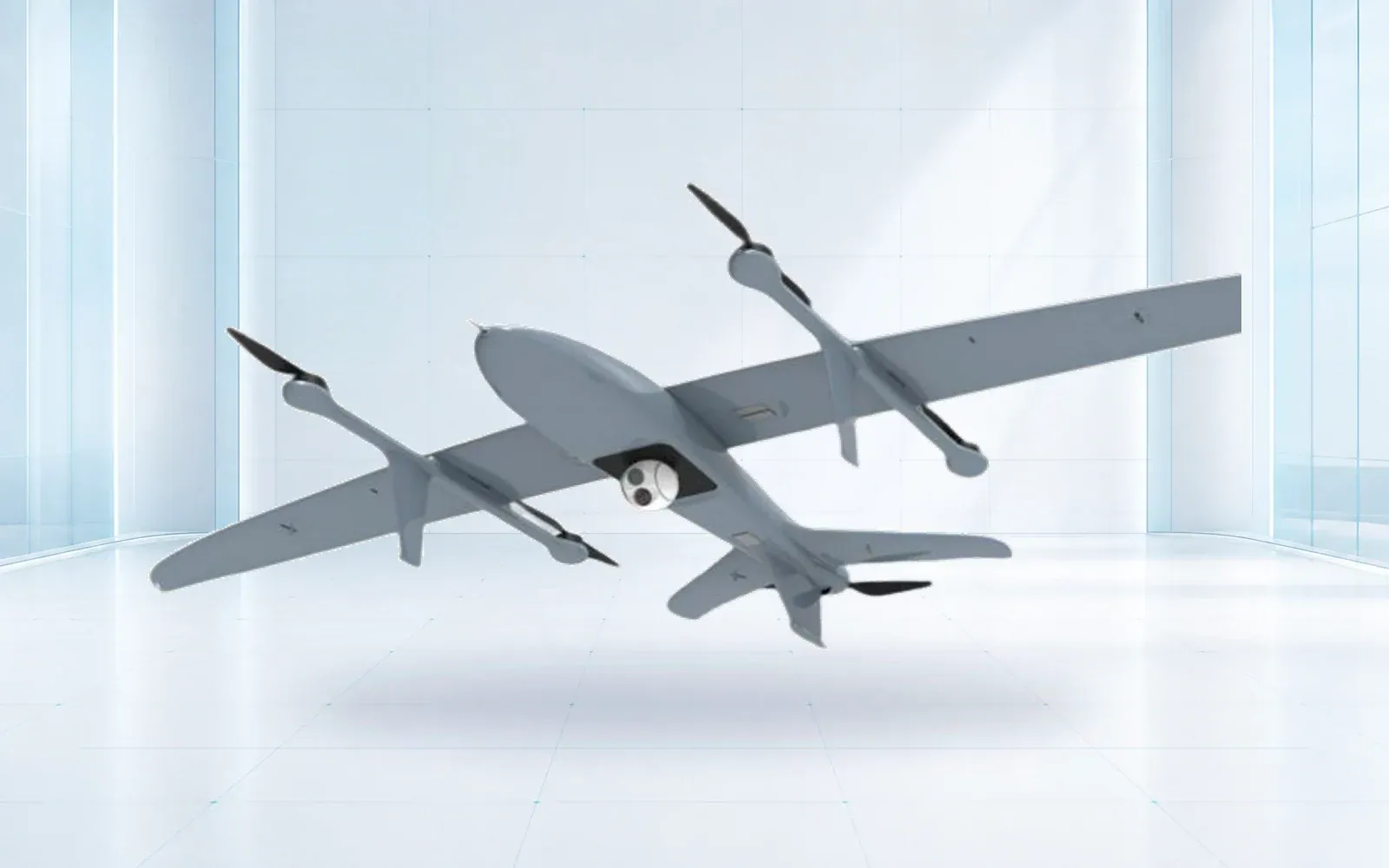
VTOL fixed-wing UAV

Vertical launch and recovery reduce runway dependence, while fixed-wing cruise supports efficient route and area coverage.

Selection note: Verify endurance with the installed payload, wind scenario, reserve and vertical-flight phases included.

02Close inspection, hovering, confined launch sites and targeted response

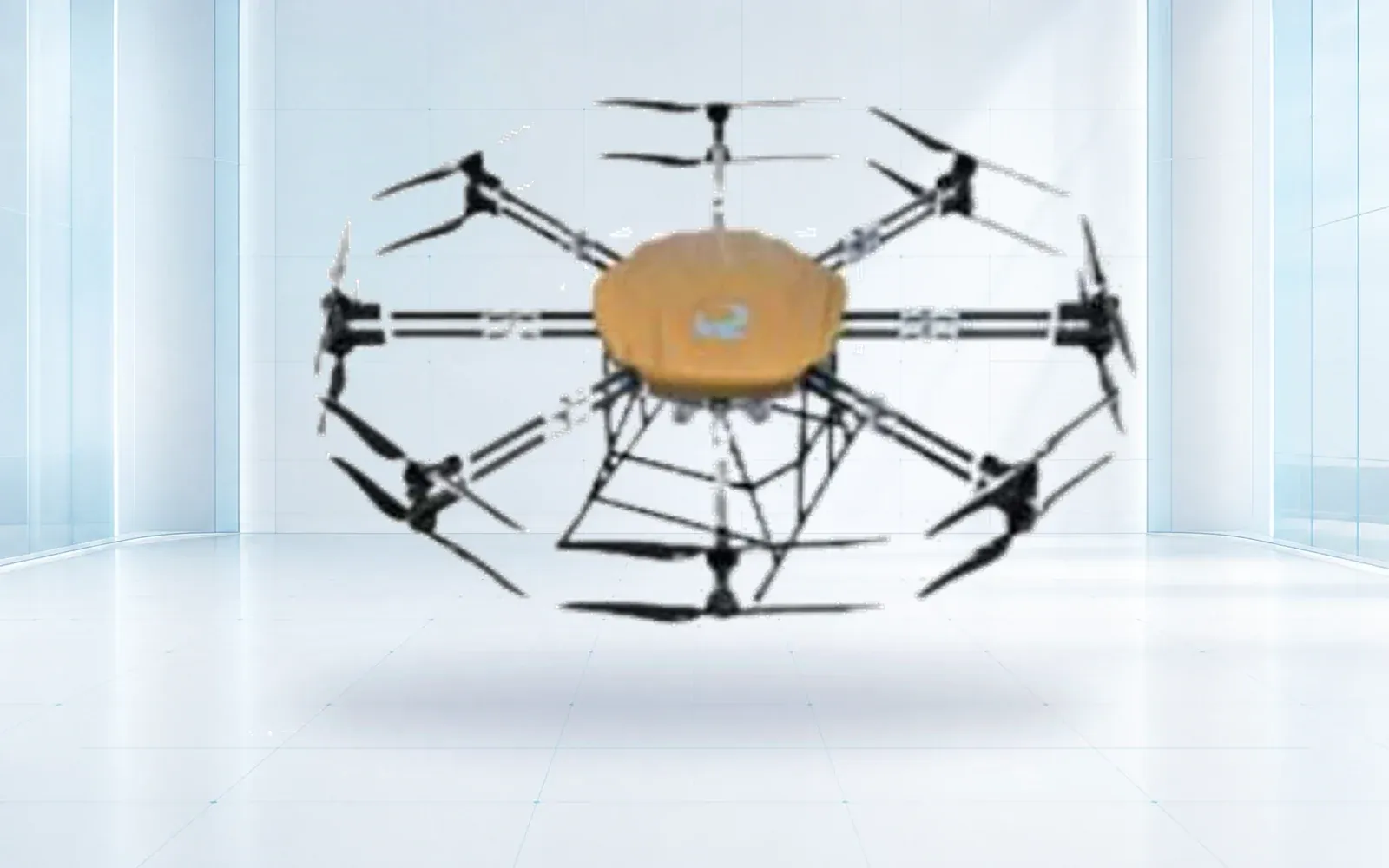
Industrial multirotor

Multirotors provide precise low-speed positioning and straightforward vertical access around structures or incident scenes.

Selection note: Confirm useful hover time, payload integration, wind limits and safe stand-off from the asset.

03Cargo movement, large sensor payloads and project-specific lifting

Heavy-lift UAV

Heavy-lift architectures trade field simplicity for payload capacity, requiring closer control of rigging, energy, crew and operating approval.

Selection note: Separate maximum takeoff weight from payload and define the installed load, lifting method and acceptance test.

01

Mission geometry

Define route length, coverage area, launch space and whether the aircraft must hover.

02

Payload budget

Include sensor, mount, cable and environmental enclosure mass—not only the primary camera.

03

Regulatory envelope

Confirm aircraft registration, pilot, spectrum, BVLOS and airspace requirements in the destination country.

Quick comparison

Industrial UAV product comparison
ModelPrimary roleSelected specificationsDetails
ZJ-G20Long-range aerial platformMaximum takeoff weight: 25 kg · Mission payload: 1.5–7 kgOpen →
ZJ-G25Survey and mapping platformMaximum takeoff weight: 20 kg · Maximum payload: 5 kgOpen →
ZJ-G150Fuel-powered heavy platformMaximum takeoff weight: 150 kg · Fuselage length: 3 mOpen →
F4All-weather multirotorMaximum takeoff weight: 23 kg · Standard payload: 8 kgOpen →
3500Long-endurance tilt-rotorReference endurance: Up to 240 min · Airframe: High-aspect-ratio fixed wingOpen →
ZJ-X13Modular cargo platformMaximum takeoff weight: 110 kg · Payload range: 30–50 kgOpen →
KT25Kaitian PRO seriesMaximum payload: 12 kg · Maximum endurance: 75 minOpen →
KTC3Kaitian PRO seriesMaximum payload: 60 kg · Maximum endurance: 80 minOpen →
KTX3Kaitian MAX seriesMaximum payload: 200 kg · Maximum endurance: 58 minOpen →
KTZ3Kaitian MAX seriesMaximum payload: 300 kg · Maximum endurance: 60 minOpen →

Buyer workflow

From requirement to accepted configuration

Use the same decision sequence for every shortlisted product so that published specifications, project assumptions and delivered evidence remain comparable.

  1. STEP 01

    Define the operational result

    Describe the route, area, revisit interval, required data or delivered load and the decision it must support.

    Output: Mission and output specification

  2. STEP 02

    Freeze the installed configuration

    Account for payload, mount, power, data, antennas, environmental protection and required ground equipment.

    Output: Mass, interface and equipment baseline

  3. STEP 03

    Model the operating envelope

    Apply terrain, wind, temperature, elevation, command-link coverage, reserve and contingency behavior.

    Output: Representative mission and energy budget

  4. STEP 04

    Accept the delivered outcome

    Test the exact configuration on a representative route and inspect the ground result, records and recovery behavior.

    Output: Configuration-linked acceptance record

Acceptance evidence

What the project should verify before handover

Acceptance areaRequirementEvidence
ConfigurationDelivered aircraft, payload, firmware and ground equipment match the approved baseline.Serial, mass, software and interface record
Mission performanceThe representative route is completed with the agreed payload and reserve.Timed flight log and energy record
Data qualityImagery, mapping, inspection or delivery output meets the buyer’s usable criteria.Accepted dataset or task result
Degraded behaviorLink loss, navigation warnings and aborted missions produce the agreed safe response.Scenario log and operator acknowledgement

Before requesting a quotation

Questions a serious buyer should resolve

  1. 01Which payload and ground output were used for the quoted endurance or range?
  2. 02What equipment, software, training and spares are included in the offered configuration?
  3. 03How are command-link coverage and degraded-link behavior tested on the actual route?
  4. 04Which documents and approvals are needed for the destination and intended operation?
  5. 05Which result will be measured at acceptance: flight performance, delivered data, or both?

Selection questions

When should I choose VTOL fixed-wing instead of a multirotor?
Choose VTOL fixed-wing when route length and area coverage dominate. Choose a multirotor when precise hover, vertical access or lifting capability is more important. A payload-and-route calculation should be completed before selection.
Can OMNI UXV integrate third-party payloads?
Payload integration can be evaluated for cameras, thermal sensors, mapping systems, LiDAR, relays and mission mechanisms. Interface, center-of-gravity, power, data and flight-test requirements are confirmed during engineering review.
ENGINEERING & CONSULTATION

Configure a Industrial UAV system

Share the site, mission, payload, performance target and destination country. Our team will return a traceable configuration rather than a generic product list.

Start a technical inquiry