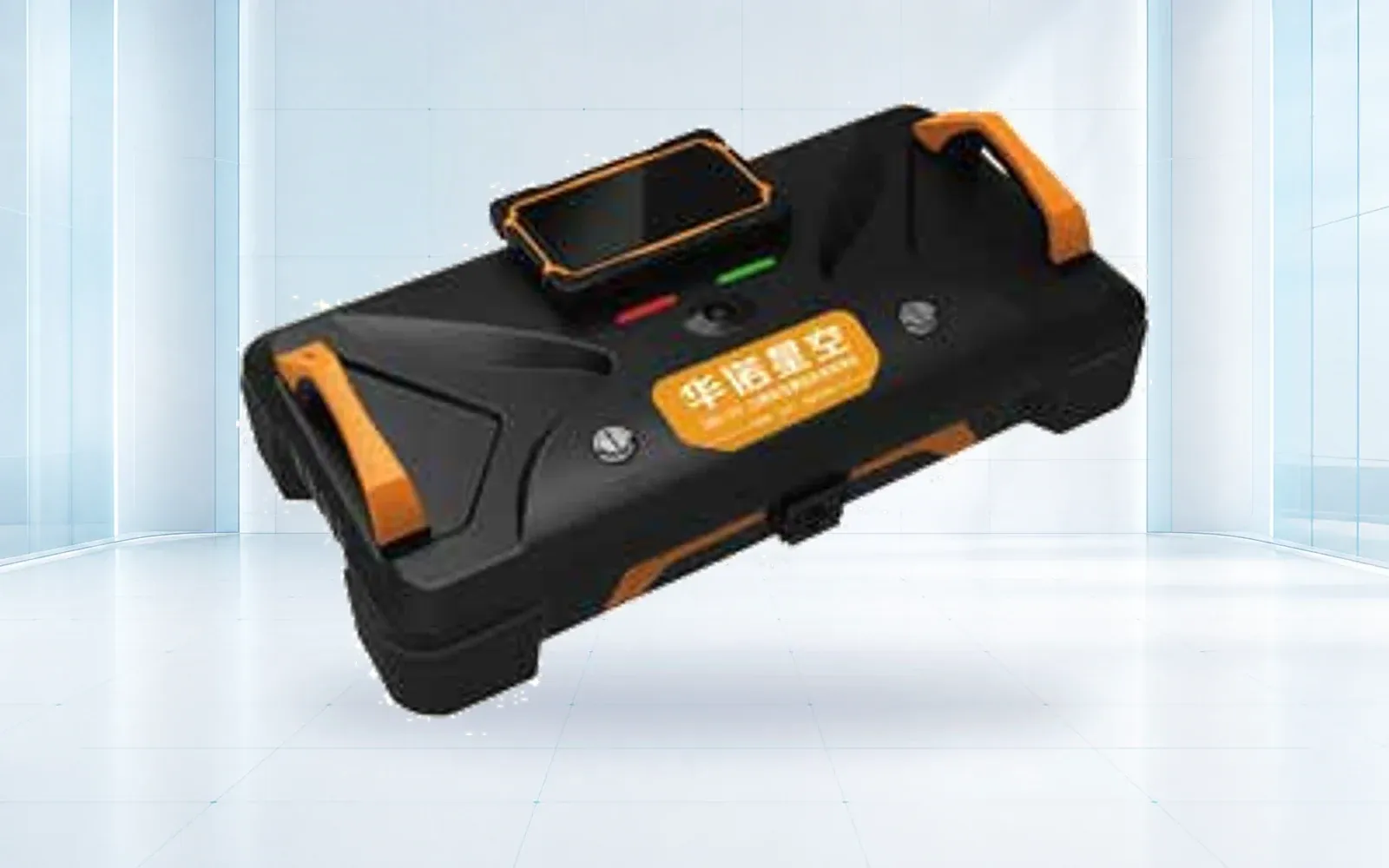
Emergency technology · 8 configurations

Life Detection & Through-Wall Search

Explore OMNI UXV radar, multimodal, airborne and through-wall life-detection systems for rescue and authorized tactical search.

Category brief

Start with the operating problem

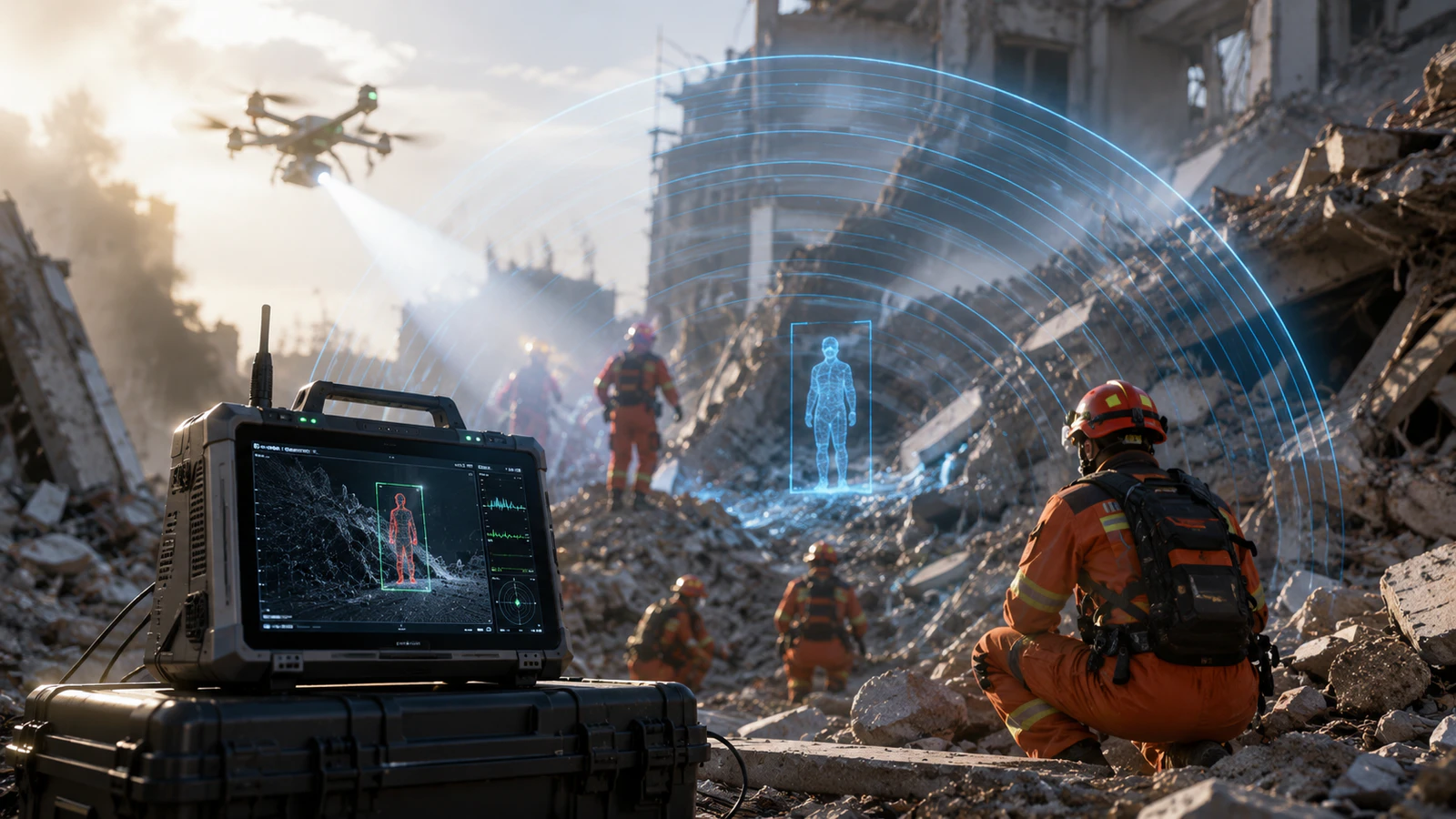
Life-detection equipment supports trained teams with additional evidence when visibility and access are limited. Radar, vibration, audio, video and thermal methods respond differently to material, distance, movement and environmental noise.

No sensor can confirm survival on its own. Search procedures should combine multiple observations, trained interpretation, marking discipline and safe rescue operations.

Product line

Life Detection products

Technology guide

How to select life-detection technology for an evidence-led search

Radar life detection systems, vibration or audio tools, cameras and through-wall radar contribute different observations to a controlled search. They do not independently confirm identity, condition or survivability. Materials, voids, distance, moisture, environmental noise and responder movement can create missed or ambiguous indications.

A search and rescue life detector should therefore be procured with a sector plan, operator training, artifact control, repeated scanning, evidence marking and a clear handoff into incident command. Restricted sensing for tactical use remains a separate end-use and authority question.

Last reviewed: July 2026

01Repeated search through rubble or structural materials

Radar life detector

Radar can indicate gross or small periodic movement when material, distance and background motion allow useful signal separation.

Selection note: Test representative materials and no-target artifacts, not only a cooperative moving person in an open room.

02Corroborating radar with audio, vibration, imaging or probes

Multimodal search system

Multiple sensing modes can help a trained team compare indications that arise from different physical mechanisms.

Selection note: Preserve each source observation and define how conflicting evidence changes the search priority.

03Authorized situational awareness through defined wall materials

Through-wall radar

Portable or imaging radar may support qualified users where legal authority, procedure and end use allow it.

Selection note: Evaluate material, angle, range, field of view, privacy, policy and evidence retention for the exact scenario.

04Hazard overview and access support before close sensor deployment

Airborne or remote search layer

Aerial systems can document sectors, access and visible hazards or carry a compatible sensing payload.

Selection note: Separate broad scene assessment from claims about detection through rubble or structure.

01

Material and voids

Document likely wall, rubble or soil composition, moisture and search distance.

02

Target condition

Consider whether the target may be stationary and which secondary signals can corroborate detection.

03

Team workflow

Plan search lanes, evidence logging, repeat scans and communication with rescue or command personnel.

Quick comparison

Life Detection product comparison
ModelPrimary roleSelected specificationsDetails
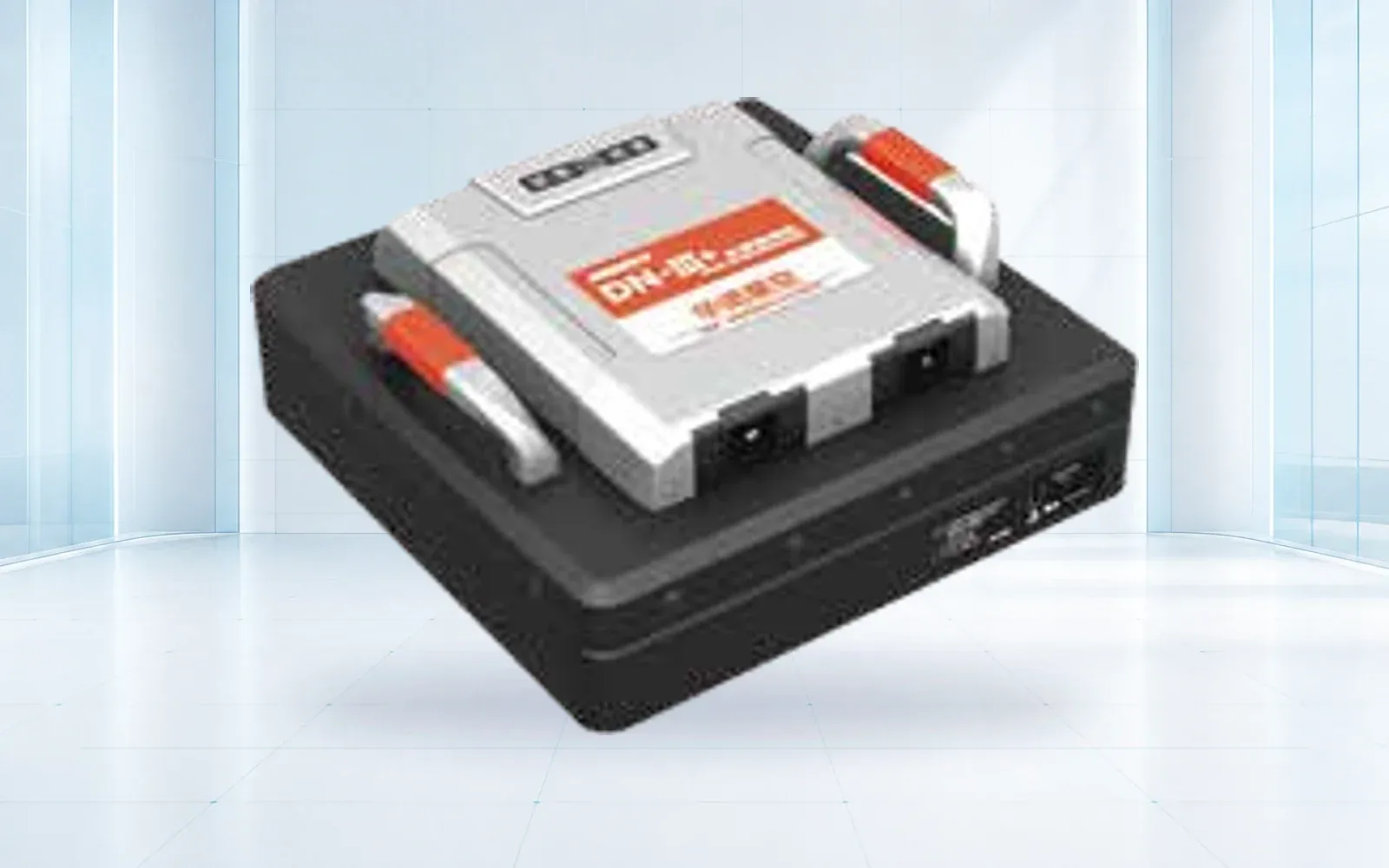
DN-III+Urban search and rescueDevice type: Portable one-dimensional radar life detector · Radar architecture: Ultra-widebandOpen →
DN-IVMulti-target positioningDevice type: 2D positioning radar life detector · Radar architecture: MIMO ultra-widebandOpen →
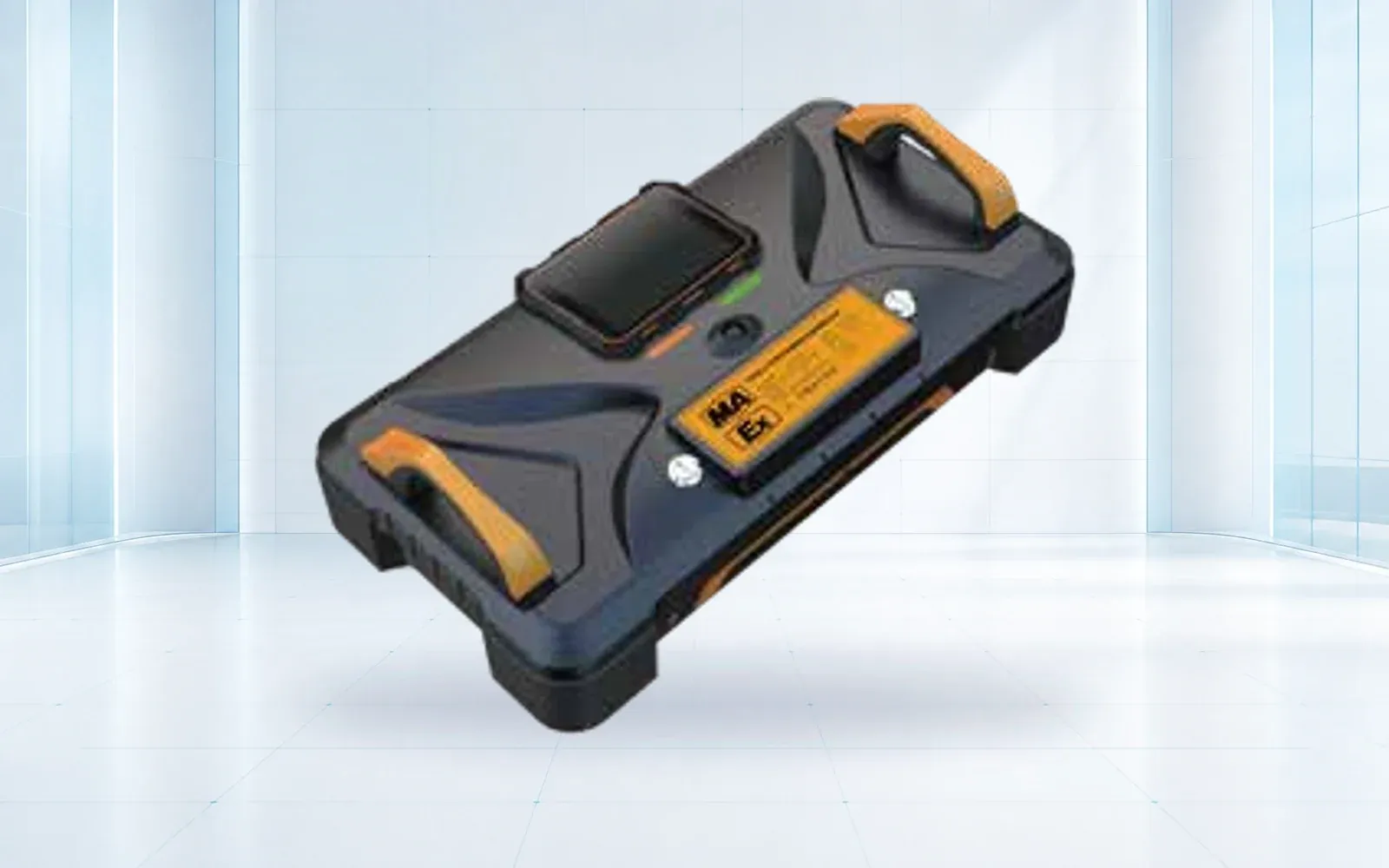
YSF40Hazardous-environment searchDevice class: Mining radar life detector · Detection basis: UWB micro-motion sensingOpen →
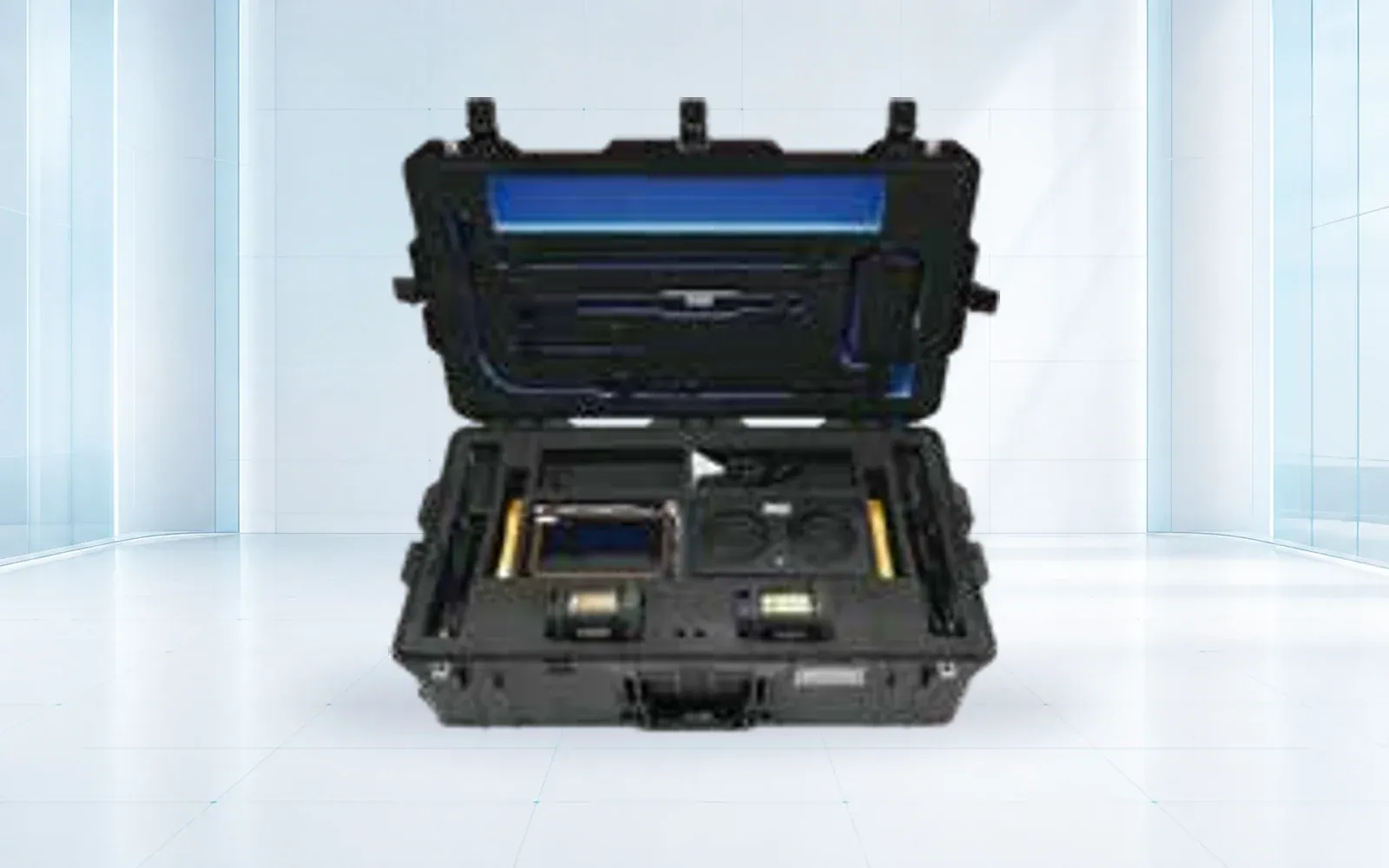
YSF40 / DN-VICross-verified searchDetection methods: Radar, vibration, video and audio · Radar architecture: MIMO ultra-widebandOpen →
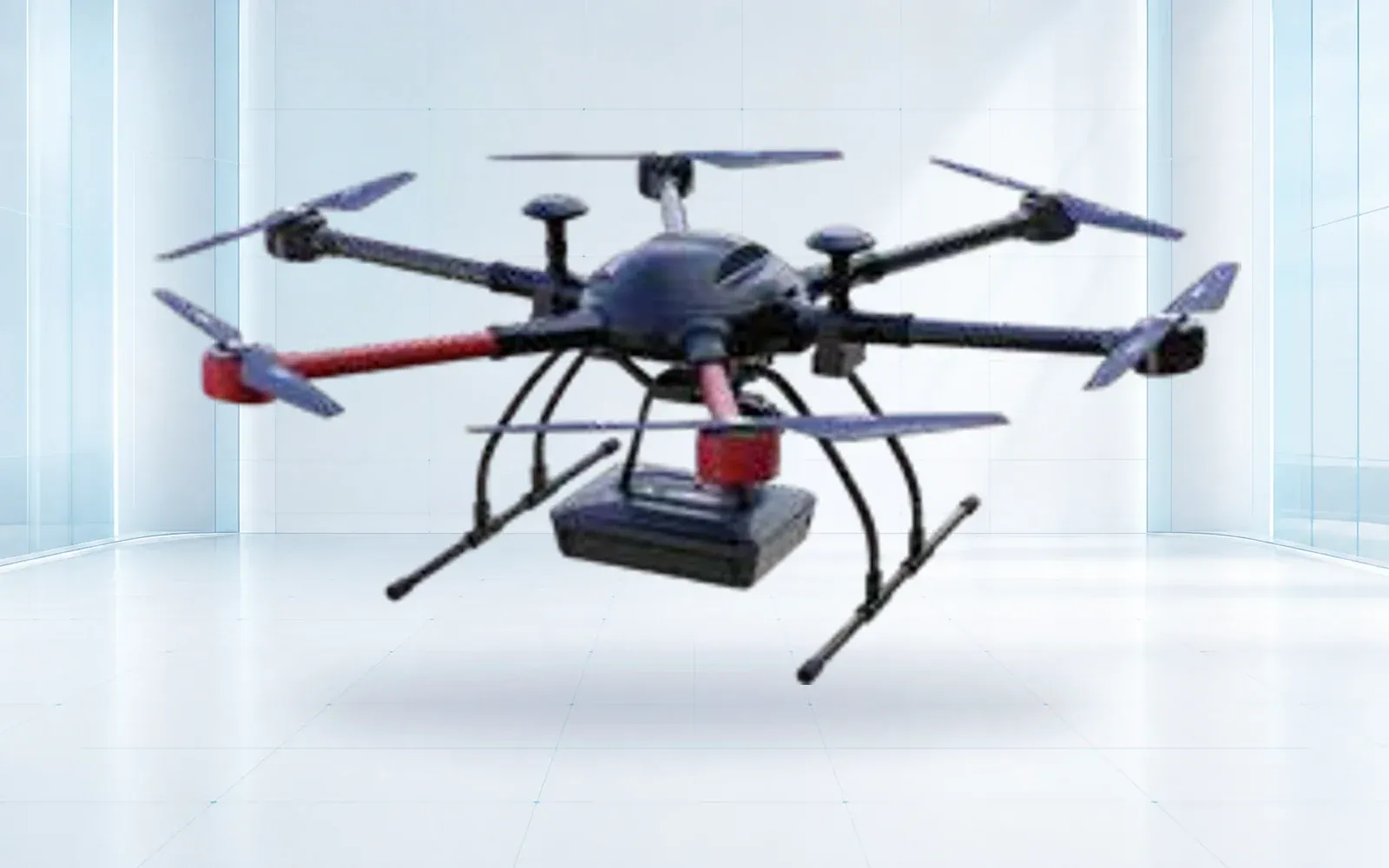
DN-UAVRapid-area searchSystem type: Airborne radar-optical life detection · Detection modes: Radar and opticalOpen →
X1Compact search toolDevice class: Portable radar life detector · Detection basis: UWB micro-motion sensingOpen →
CEM100Tactical awarenessDevice type: Handheld through-wall radar · Detection: Movement and presence indicationOpen →
CEM400Spatial tactical sensingDevice class: 3D imaging through-wall radar · Primary output: Spatial target indicationsOpen →

Buyer workflow

From requirement to accepted configuration

Use the same decision sequence for every shortlisted product so that published specifications, project assumptions and delivered evidence remain comparable.

  1. STEP 01

    Define the target environment

    Document material, voids, access, noise, moisture, movement control and safety constraints.

    Output: Scenario and artifact profile

  2. STEP 02

    Design sector control

    Name search cells, sensor positions, scan settings, repeat rules and handoff status.

    Output: Search and marking procedure

  3. STEP 03

    Train on ambiguity

    Use no-target, misleading and weak-signal exercises as well as clear positive examples.

    Output: Operator competency record

  4. STEP 04

    Accept the evidence workflow

    Test setup, baseline, indication, repeat scan, corroboration, marking and export.

    Output: Reproducible search exercise

Acceptance evidence

What the project should verify before handover

Acceptance areaRequirementEvidence
Setup controlOperators reproduce position, orientation, baseline and scan settings.Scenario checklist and configuration log
Artifact recognitionKnown responder, machinery or material effects are identified and documented.No-target and interference exercise
RepeatabilityAn indication can be repeated, relocated or appropriately downgraded.Multi-position scan record
HandoffCommand receives a clear location, confidence, uncertainty and next action.Accepted sector evidence package

Before requesting a quotation

Questions a serious buyer should resolve

  1. 01Which materials, depths and target conditions were used for the published detection claim?
  2. 02How does the device help operators distinguish environmental or responder artifacts?
  3. 03Can the raw observation and settings be exported for review?
  4. 04Which training scenarios are included with delivery?
  5. 05Is the intended model and use available to this end user and destination?

Selection questions

Can radar detect a completely motionless person?
Some configurations are designed to detect very small physiological movement, but material, distance, orientation and noise affect results. Teams should corroborate detections using another method.
Is through-wall equipment available for civilian rescue?
Product availability and permitted use depend on the model, end user and destination. OMNI UXV performs end-use and export review before quotation.
What training is required?
Operators need scenario-based training in setup, baseline acquisition, artifact recognition, repeat scanning, evidence logging and safe coordination with rescue teams.
ENGINEERING & CONSULTATION

Configure a Life Detection system

Share the site, mission, payload, performance target and destination country. Our team will return a traceable configuration rather than a generic product list.

Start a technical inquiry